LEADERSHIPSophie
Lien Dinh
Sophie founded Bright in 2015 after years spent inside fast-growing businesses, where growth required more than a good plan. It required people, relationships, commercial judgement and execution to move together.
Today, she brings that entrepreneurial perspective to Bright — helping the company look beyond the visible brief to what the business is really trying to move forward.
Built From Inside the Business
With an academic background in Business Administration, Sophie’s early career moved across business development, sales and marketing, partnerships, project leadership, branch and regional management, and team performance.
Much of that experience came in businesses that were still building the foundations for their next stage of growth. She also worked on business development beyond Vietnam before founding Bright.
That matters because Sophie understands both sides of the table: carrying commercial and operating responsibility from inside the business, and later advising and partnering with organisations from outside it.
For Sophie, entrepreneurship has never been a title alone. It is the experience of making decisions while the path is still taking shape — and taking responsibility for helping the business move forward.
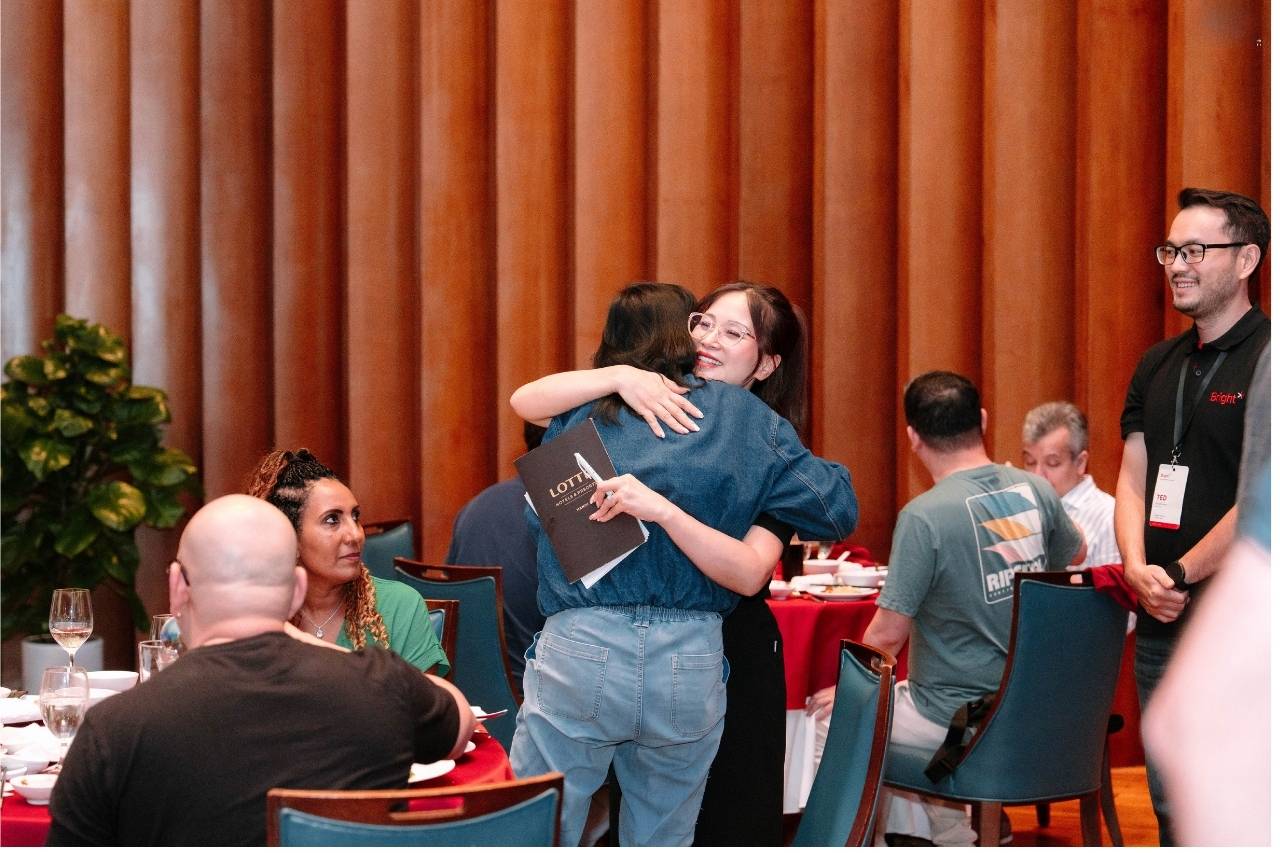
Trust Is Built in the Way an Organisation Shows Up
Sophie’s work has moved across business and brand strategy, leadership and organisational development, cross-cultural business and experience.
Organisations are understood through more than what they say.
People notice how leaders show up, how important relationships are handled, whether local context has been understood and whether the experience reflects what the organisation promised.
Sophie has built much of her work around that intersection — where commercial intention becomes human experience.
It is also central to Bright’s view of business presence: not simply being visible, but being understood and trusted for the right reasons.
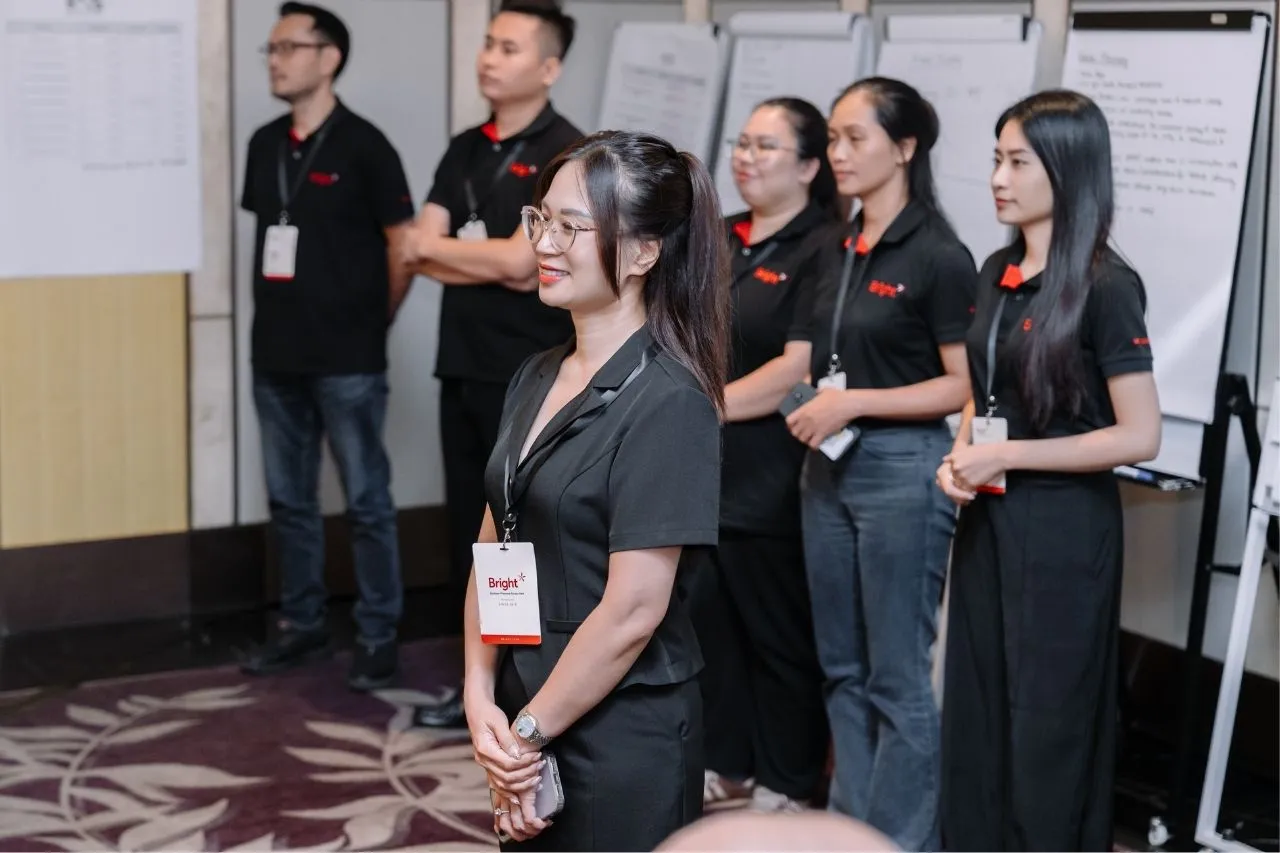
What a Long-Term Collaborator Saw
Through a long-standing professional relationship with Friedrich Naumann Foundation in Vietnam, Sophie worked directly with senior leadership on executive and organisational development.

“Sophie Lien is a successful businesswoman, with a keen sense of profitable business opportunities and a great focus on human development.”
Dr. Andreas Stoffers · Country Director – Friedrich Naumann Foundation
That combination of commercial instinct and human understanding remains central to how Sophie leads Bright today.
The quote and attribution above remain the exact approved external proof from the existing Sophie source.
What This Means When You Work With Bright
The value is not access to one founder’s intuition.
It is the perspective Sophie has brought into the way Bright shows up as a partner.
Bright is expected to understand the wider business context, stay close to what the work is meant to achieve, work comfortably alongside internal teams and existing partners, and take responsibility for the part it agrees to own.
For clients, that becomes especially valuable when circumstances change or when the next brief is not yet fully formed.
As the relationship continues, shared context also becomes useful: less relearning, earlier understanding and better judgement about what the next situation needs.
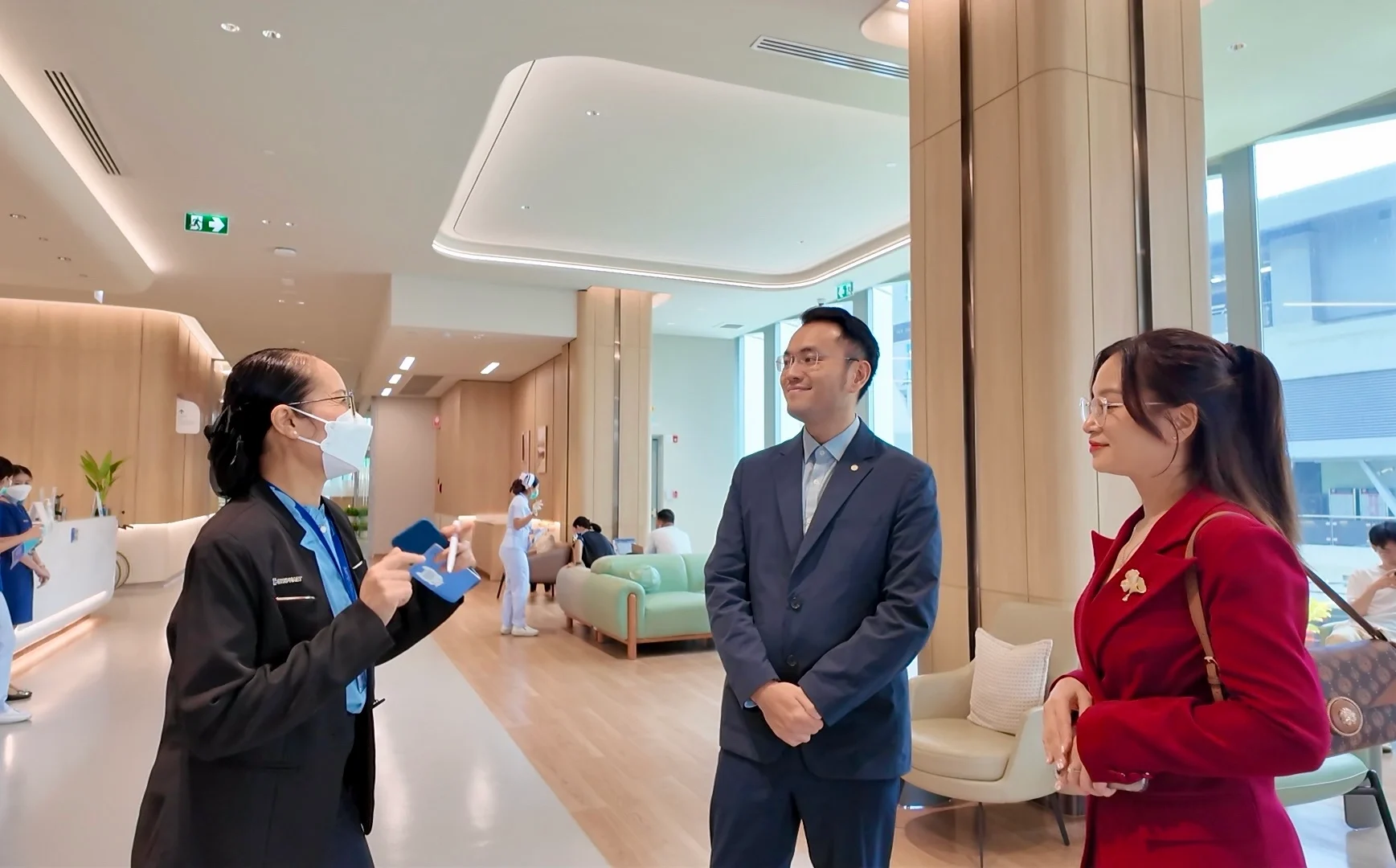
A strong partnership should become more useful over time — not simply larger.
Start With the Business Situation
If you are responsible for an important relationship, business moment or market situation, tell us what is happening, who matters and what needs to become possible.
Bright can start from there.

START A CONVERSATIONStart With the Business Situation
You do not need a finished brief. Tell us what is happening, who matters and what needs to become possible.